
Introduction
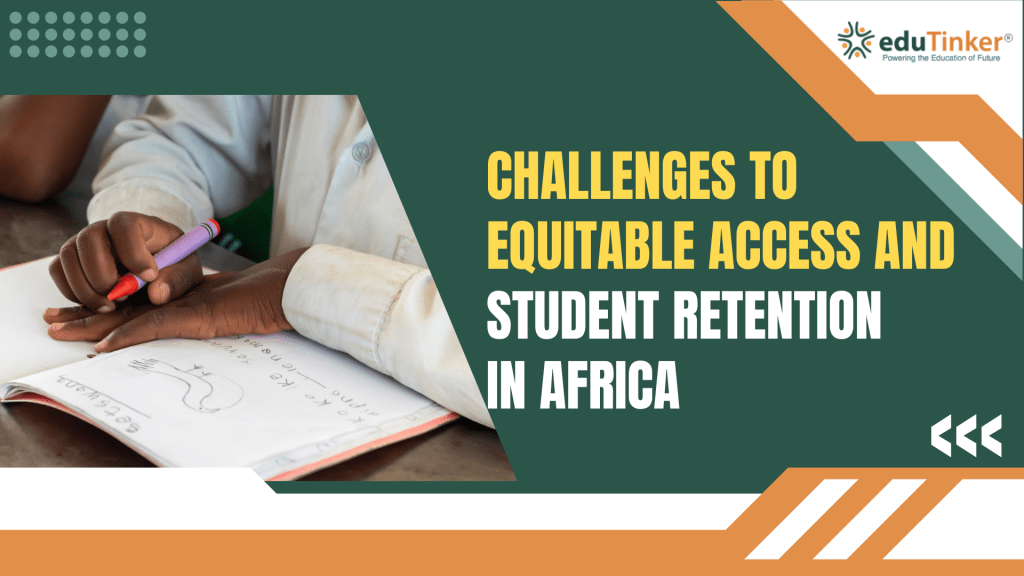
Equitable access to quality education and sustained student retention remain pressing challenges across Africa. While enrolment numbers have improved in many regions, a significant number of students still struggle to continue their education due to economic, infrastructural, and administrative barriers. These challenges are particularly evident in rural and underserved communities, where limited resources and outdated systems restrict learning continuity.
To address these issues effectively, African educational institutions must adopt digital solutions that enhance accessibility, improve engagement, and support long-term student success. Modern school management platforms such as Edutinker are helping institutions create more inclusive, transparent, and efficient education ecosystems.
Understanding Equitable Access and Student Retention
Equitable access ensures that every student, regardless of background or location, has a fair opportunity to enrol in and benefit from education. Student retention focuses on keeping learners engaged and enrolled throughout their academic journey until completion.
In African education systems, access and retention are closely linked. When students face challenges in enrolment,fee payment, communication, or academic support, dropout rates increase and learning outcomes decline.
Key Challenges to Equitable Access and Retention in Africa
Limited Educational Infrastructure
Many schools across Africa operate with inadequate classrooms, learning materials, and teaching staff. Overcrowded environments and limited academic resources make it difficult for students to stay motivated and engaged. These conditions often result in poor learning experiences and higher dropout rates.
Inefficient School Administration
Manual processes for admissions, attendance, academic records, and communication continue to burden many institutions. These systems are prone to errors, delays, and data loss, making it difficult to track student progress or identify learners at risk of dropping out. Inefficient administration directly affects both access and retention.
Financial Barriers and Fee Management Challenges
Economic hardship remains one of the leading causes of student dropouts in Africa. Many families struggle to manage school fees, transportation costs, and learning expenses. Without structured and transparent fee management processes, students are often forced to discontinue their education.
Weak Parent–School Communication
Limited communication between schools and parents reduces parental involvement in a child’s education. When parents lack timely updates on attendance, performance, or school activities, they are unable to provide the necessary support, leading to reduced engagement and increased absenteeism.
Digital Divide and Technology Gaps
Although digital learning tools can significantly improve education access, many institutions lack reliable digital infrastructure. Schools without cloud-based systems face challenges in maintaining learning continuity, particularly in remote areas. This digital divide continues to widen inequalities between students.
Impact on African Education Systems
The combined effect of these challenges leads to high dropout rates, learning gaps, and reduced trust in education systems. Students who leave school early face limited employment opportunities, while communities experience slower social and economic development. Improving access and retention is essential for building skilled workforces and sustainable economies across Africa.
How Edutinker Supports Equitable Access and Retention
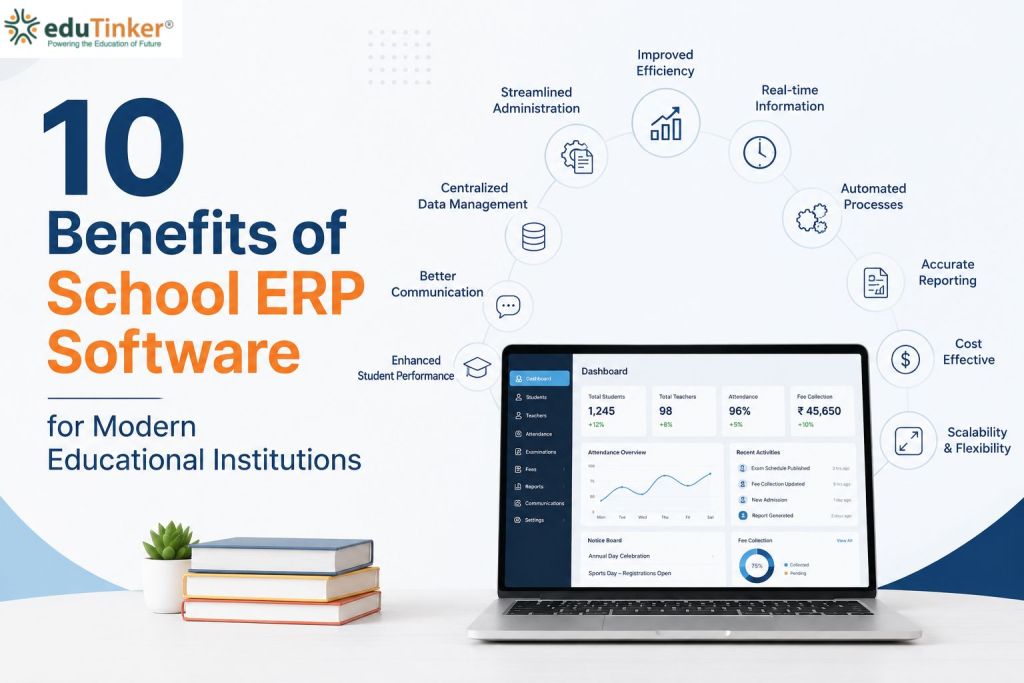
Edutinker provides a comprehensive school management platform designed to meet the needs of African educational institutions. By digitising school operations and centralising data, it helps institutions improve efficiency, transparency, and student engagement.
Simplified Admission and Enrollment Processes
Digital admission and enrollment tools reduce paperwork and administrative delays, making it easier for students to apply and secure placements. This streamlined process removes barriers to access and ensures a smoother start to the academic journey.
Attendance Monitoring and Student Tracking
Automated attendance tracking enables schools to monitor student participation in real time. Early identification of absenteeism allows educators to intervene promptly, helping prevent long-term disengagement and dropouts.
Transparent and Flexible Fee Management
Structured fee management systems help schools manage payments efficiently while offering flexibility to families. Automated reminders and transparent reporting reduce financial confusion and help students continue their education without disruption.
Stronger Parent and Teacher Collaboration
Integrated communication tools ensure that parents, teachers, and administrators remain connected. Regular updates on academic progress, attendance, and school events strengthen collaboration and improve student support systems.
Performance Monitoring and Academic Insights
Data-driven insights help educators understand learning patterns and provide timely academic support. Identifying challenges early allows schools to implement targeted interventions that improve student outcomes and retention.
Cloud-Based and Scalable Education Solutions
Cloud-based platforms allow schools to operate efficiently without heavy infrastructure investments. This accessibility ensures that institutions in both urban and rural areas can deliver consistent education experiences and scale as needed.
Conclusion
The challenges to equitable access and student retention in Africa are complex, but they can be addressed through strategic use of digital education solutions. While infrastructure and economic limitations require long-term efforts, school management platforms like Edutinker offer immediate and scalable support to institutions.
By improving administrative efficiency, strengthening communication, and enabling data-driven decision-making, Edutinker helps African schools create inclusive learning environments where students can enrol, engage, and succeed. Building equitable education systems today is essential for shaping a stronger, more sustainable future for Africa.