

The education system in India is evolving rapidly. Traditional administrative techniques that once relied heavily on paperwork, manual record keeping, and physical communication are now being replaced by digital solutions. Today, schools across the country are adopting modern digital platforms to streamline operations, improve communication, and enhance the overall learning environment.
Digital platforms have become an essential part of modern school management. From managing student records and attendance to improving teacher productivity and parent communication, technology is transforming how schools function. As schools strive to become more efficient and future-ready, digital school management systems are playing a crucial role.
This shift is especially visible with the increasing adoption of school ERP systems, digital learning platforms, and integrated management solutions that simplify complex administrative processes.
The Rise of Digital School Management Platforms in India
India has one of the largest education systems in the world, with thousands of schools managing large volumes of data daily. Managing admissions, attendance, fees, academic records, and communication manually can be time-consuming and prone to errors.
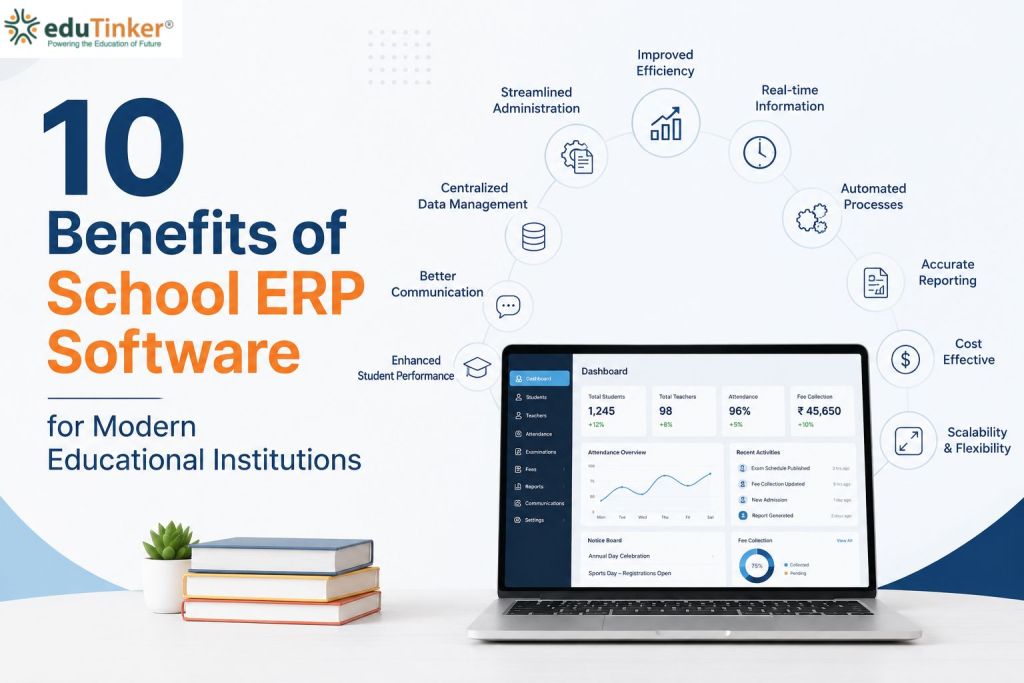
Digital school management platforms solve this problem by bringing all school operations under one centralized system. These platforms allow administrators, teachers, students, and parents to access relevant information through a single dashboard.
With the rapid growth of internet access, smartphones, and cloud technology, digital platforms are becoming more accessible even to small and mid-sized schools. As a result, schools are moving away from traditional administrative practices and embracing technology-driven solutions.
Streamlining Administrative Tasks
One of the biggest advantages of digital platforms is their ability to automate administrative tasks. School administrators often handle multiple responsibilities like admissions, timetable management, attendance tracking, and fee collection.
Digital platforms simplify these processes by automating routine tasks. For example, student admissions can be handled through online forms, reducing paperwork and saving time for both parents and school staff. Similarly, attendance tracking can be automated through mobile apps or biometric systems, making the process faster and more precise.
Fee management is another area where digital platforms bring significant improvements. Schools can generate fee invoices, send payment reminders, and track transactions digitally. Parents can also make online payments, reducing the need for manual cash handling.
By automating administrative operations, digital platforms help schools save time, reduce errors, and improve overall efficiency.
Improving Communication Between Schools and Parents
Effective communication between schools and parents is essential for a student’s academic growth. In the past, communication relied mainly on physical notices, diary notes, or parent-teacher meetings.
Digital platforms have transformed this process by enabling real-time communication. Schools can send instant notifications, announcements, and updates through mobile applications or web portals.
Parents can get information about their child’s attendance, homework, exam schedules, and academic progress directly on their phones. This transparency builds trust and strengthens the relationship between parents and schools.
Additionally, teachers can communicate with parents about student performance, behavior, and important school activities without waiting for formal meetings.
Enhancing Academic Management
Digital platforms also play a key role in improving academic management within schools. Teachers can use these systems to manage lesson plans, assignments, exams, and grading more efficiently.
For instance, teachers can upload homework, share study materials, and assign projects through the platform. Students can submit assignments online, making it easier for teachers to review and provide feedback.
Examination management also becomes simpler with digital platforms. Schools can create exam schedules, generate report cards, and analyze student performance using automated tools. This helps educators identify learning gaps and take corrective measures.
Such data-driven insights enable schools to focus more on improving learning outcomes rather than spending excessive time on administrative work.
Supporting Hybrid and Digital Learning
The COVID-19 pandemic accelerated the adoption of digital learning technologies in India. Even after schools reopened, many institutions continued using digital platforms to support hybrid learning models.
Digital school platforms often integrate Learning Management Systems (LMS) that allow teachers to conduct online classes, share recorded lectures, and provide digital learning resources.
Students can access study materials anytime, which encourages self-paced learning. Teachers can also track student engagement and progress through analytics and performance reports.
This flexibility helps schools deliver a more personalized and engaging learning experience.
Data Management and Security
Schools manage large amounts of sensitive data, including student records, academic performance, financial information, and staff details. Storing and managing this data manually increases the risk of data loss or errors.
Digital platforms offer secure cloud-based storage that ensures data is organized, protected, and easily accessible when needed. Backup systems and access control features also ensure that only authorized users can view or modify specific information.
With proper data management systems in place, schools can keep precise records and ensure long-term data security.
Enabling Smarter Decision Making
Another important advantage of digital platforms is the ability to generate meaningful insights through data analytics. School administrators can analyze attendance trends, academic performance, fee collections, and operational efficiency using built-in reports and dashboards.
These insights help schools make informed decisions about curriculum planning, resource allocation, and student support programs.
For example, if analytics show that students are struggling in a particular subject, schools can arrange additional classes or academic support. This proactive approach improves overall academic performance.
The Future of School Management in India
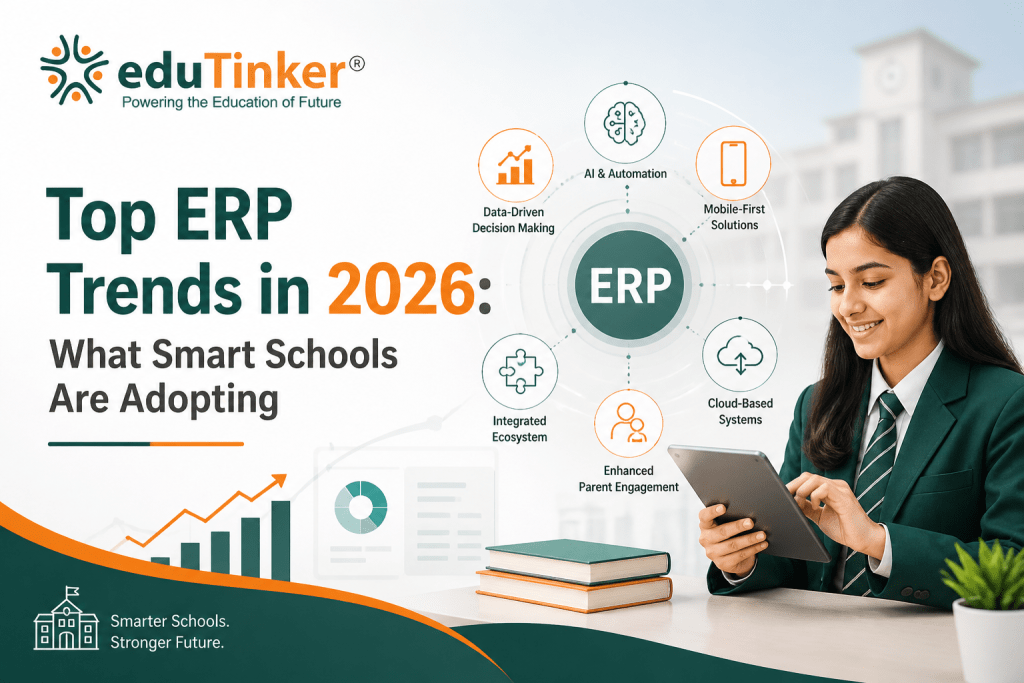
The future of school management in India is closely linked to the adoption of technology. As education continues to evolve, digital platforms will become even more advanced with features like artificial intelligence, predictive analytics, and personalized learning tools.
Schools that embrace digital transformation will be better equipped to manage operations efficiently while delivering a modern and engaging learning experience.
Platforms like Edutinker are designed to support this transformation by offering comprehensive digital solutions tailored to the needs of Indian schools. By integrating administrative management, academic tracking, and communication tools into one platform, such systems help schools operate more efficiently and focus on what truly matters — delivering quality education.
As more institutions adopt digital platforms, the Indian education system will move toward a more connected, transparent, and efficient future.
FAQs
1. What are digital platforms in school management?
Digital platforms in school management are software systems that help schools manage administrative tasks, academic processes, and communication through a centralized online system.
2. How do digital platforms help Indian schools?
Digital platforms help Indian schools by automating tasks like attendance tracking, fee management, student record management, and parent communication, making school operations more efficient.
3. What is a school ERP system?
A school ERP system is an integrated digital platform that connects different departments of a school such as administration, academics, finance, and communication into a single system.
4. Are digital platforms secure for managing school data?
Yes, most modern school management platforms use cloud-based security, data encryption, and access control features to protect sensitive school data.
5. Why are Indian schools adopting digital platforms?
Indian schools are adopting digital platforms to improve efficiency, enhance communication, support digital learning, and simplify complex administrative processes.