

In today’s fast-paced digital world, educational institutions are under constant pressure to streamline operations and deliver seamless experiences to students and parents. One of the most critical touchpoints is the admission process. Traditionally known for being time-consuming, paperwork-heavy, and prone to errors, admissions can often create frustration for both applicants and administrators. This is where an ERP (Enterprise Resource Planning) system transforms the game.
An ERP system is not just a technological upgrade- it is a strategic tool that simplifies, automates, and enhances the entire admission lifecycle. Let’s explore how ERP improves the admission process and why it has become essential for modern educational institutions.
What is an ERP in Education?
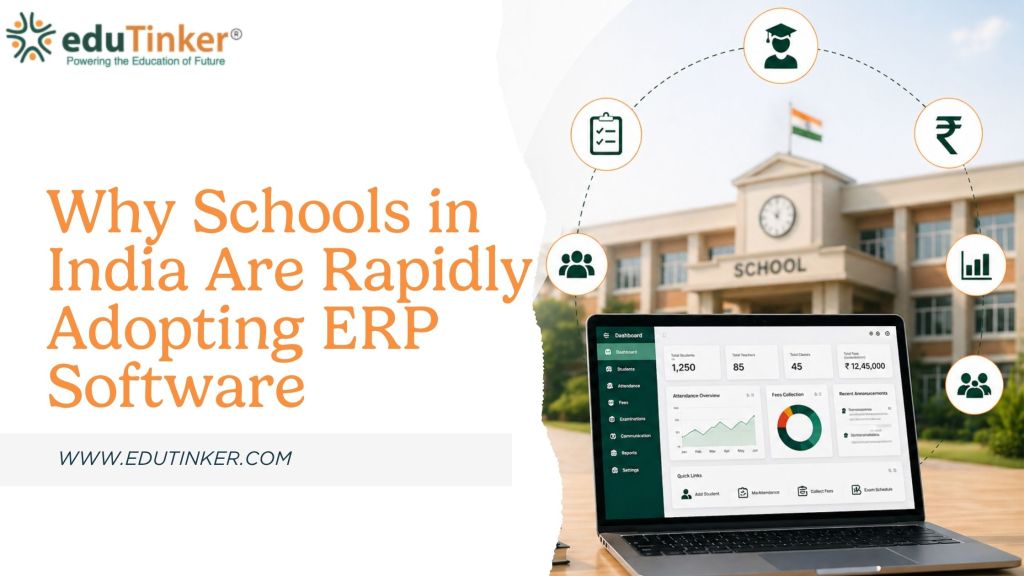
An ERP system in education is a centralized platform that integrates various administrative and academic functions into a single interface. From student inquiries and application management to fee processing and enrollment, everything is managed digitally and efficiently.
When applied to admissions, ERP software eliminates manual intervention, reduces errors, and ensures a smooth, transparent process for all stakeholders.
1. Streamlined Application Process
One of the biggest advantages of ERP systems is the simplification of the application process. Instead of filling out lengthy paper forms, students can submit applications online through a user-friendly portal.
With ERP:
- Applicants can fill forms anytime, anywhere
- Documents can be uploaded digitally
- Real-time validation reduces incomplete submissions
This not only enhances convenience for students but also reduces administrative workload significantly.
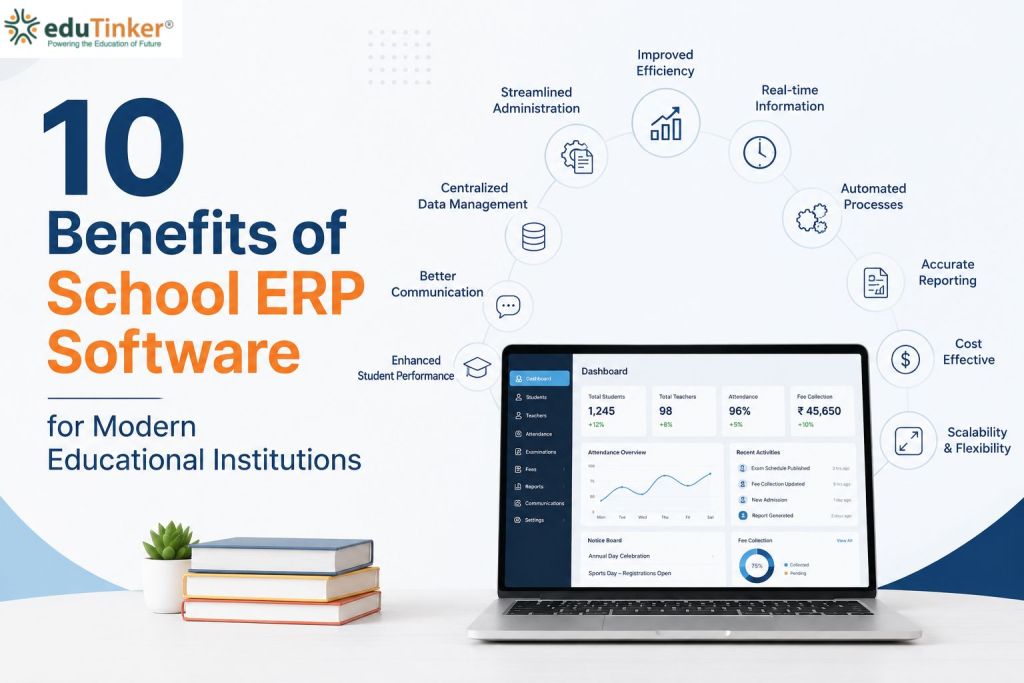
2. Centralized Data Management
Handling large volumes of student data manually can lead to mismanagement and duplication. ERP systems store all applicant information in a centralized cloud database, making it easily accessible and secure.
Benefits include:
- Quick retrieval of applicant details
- Reduced chances of data loss
- Better organization of records
With all data in one place, institutions can make faster and more informed decisions.
3. Automation of Admission Workflows
ERP systems automate repetitive tasks that would otherwise consume hours of manual effort. From application sorting to merit list generation, automation ensures speed and accuracy.
Key automated functions include:
- Application tracking
- Eligibility checks
- Merit-based shortlisting
- Interview scheduling
This not only speeds up the process but also ensures fairness and consistency in admissions.
4. Improved Communication with Applicants
Clear and timely communication is crucial during admissions. ERP systems enable automated notifications via email, SMS, or in-app alerts.
Applicants receive updates on:
- Application status
- Document verification
- Interview dates
- Fee payment reminders
This transparency builds trust and keeps students engaged throughout the admission journey.
5. Faster Document Verification
Manual document verification can be slow and error-prone. ERP systems simplify this by allowing digital uploads and systematic verification workflows.
Advantages include:
- Reduced paperwork
- Faster verification cycles
- Easy tracking of missing documents
Admissions teams can quickly validate applications without delays, improving overall efficiency.
6. Seamless Fee Management
Fee collection is a critical part of admissions, and ERP systems make it hassle-free. Integrated payment gateways allow students to pay fees online securely.
Features include:
- Multiple payment options
- Automated receipts
- Real-time payment tracking
This ensures a smooth financial transaction process while reducing administrative effort.
Also Read: Improving College Decisions with Cloud-Based ERP
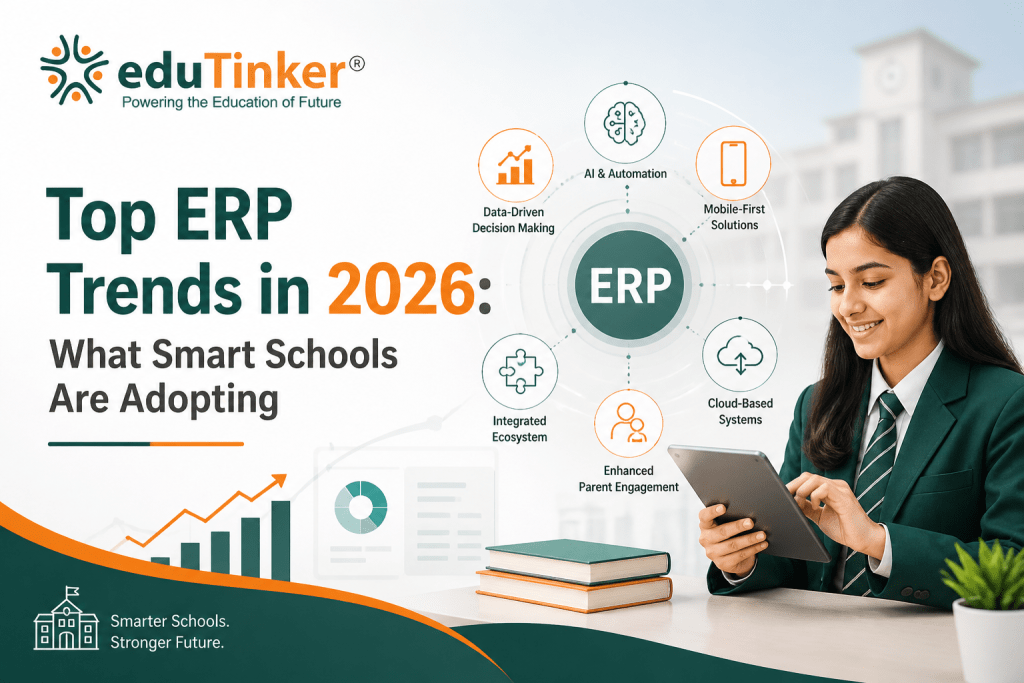
7. Data-Driven Decision Making
ERP systems provide powerful analytics and reporting tools that help institutions make smarter decisions.
With real-time insights, institutions can:
- Track application trends
- Analyze conversion rates
- Identify bottlenecks in the process
These insights enable continuous improvement in admission strategies and planning.
8. Enhanced Transparency and Compliance
Transparency is a key factor in building credibility. ERP systems maintain a clear record of every action taken during the admission process.
This helps in:
- Ensuring fair selection criteria
- Maintaining audit trails
- Meeting regulatory compliance requirements
Institutions can confidently demonstrate accountability and integrity in their processes.
9. Scalability for Growing Institutions
As institutions grow, managing admissions manually becomes increasingly difficult. ERP systems are highly scalable and can handle large volumes of applications without compromising performance.
Whether it’s a small college or a large university, ERP adapts to the institution’s needs, making it a future-ready solution.
10. Better User Experience for Students and Parents
A smooth admission process leaves a lasting first impression. ERP systems offer intuitive dashboards and easy navigation, enhancing the overall user experience.
Students and parents benefit from:
- Easy access to information
- Reduced confusion
- Faster processing times
A positive admission experience can significantly impact an institution’s reputation and enrollment rates.
Conclusion
The admission process is the gateway to an institution, and its efficiency plays a crucial role in shaping perceptions. ERP systems bring automation, transparency, and speed to this critical function, transforming it from a complex task into a seamless experience.
By adopting an ERP solution, educational institutions can not only improve operational efficiency but also enhance student satisfaction and decision-making capabilities. In an increasingly competitive education landscape, leveraging ERP technology is no longer optional- it’s essential for staying ahead.