
Colleges today operate in a dynamic environment where academic expectations, administrative workloads, and student needs are constantly evolving. To stay efficient, colleges must make fast, informed, data-backed decisions — whether about admissions, budgeting, staffing, academic performance, or campus operations. This is where a cloud-based ERP system plays a transformative role.
A cloud-based ERP simplifies complex college processes, unifies scattered data, and provides real-time insights that help management make smarter decisions with confidence. Let’s explore how implementing a modern cloud ERP solution can strengthen decision-making across your institution.
1. Unified Data for Clear, Accurate Insights
Many colleges still operate with multiple disconnected systems — one for admissions, another for attendance, another for finances, and another for academics. These silos make it difficult for leaders to get a complete view of the institution.
A cloud-based ERP eliminates this issue by consolidating all academic, administrative, and financial data onto a single platform. With one source of truth, decision-makers no longer have to rely on outdated spreadsheets or conflicting reports. Instead, they gain:
- Accurate, up-to-date information
- Instant access to student, staff, and finance data
- Better understanding of trends and operational needs
When leadership has complete clarity, decisions become faster, more informed, and far more effective.
2. Real-Time Dashboards for Faster Decisions
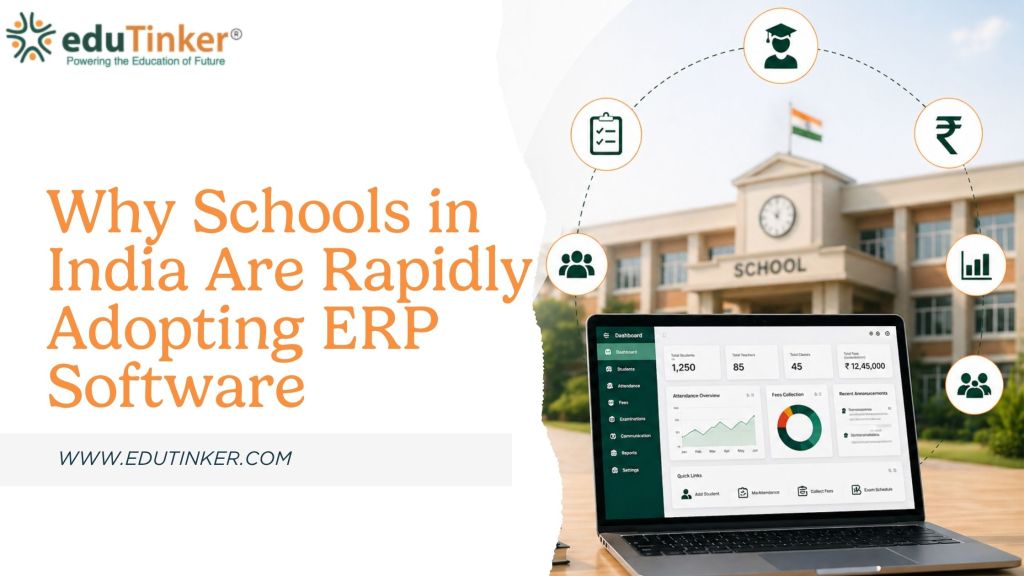
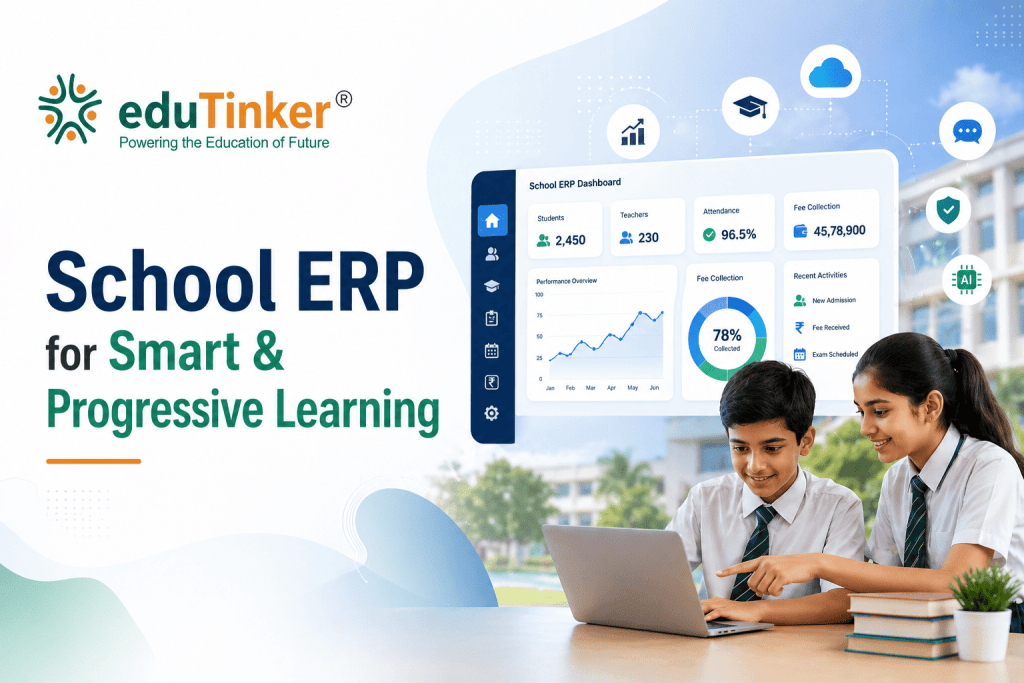
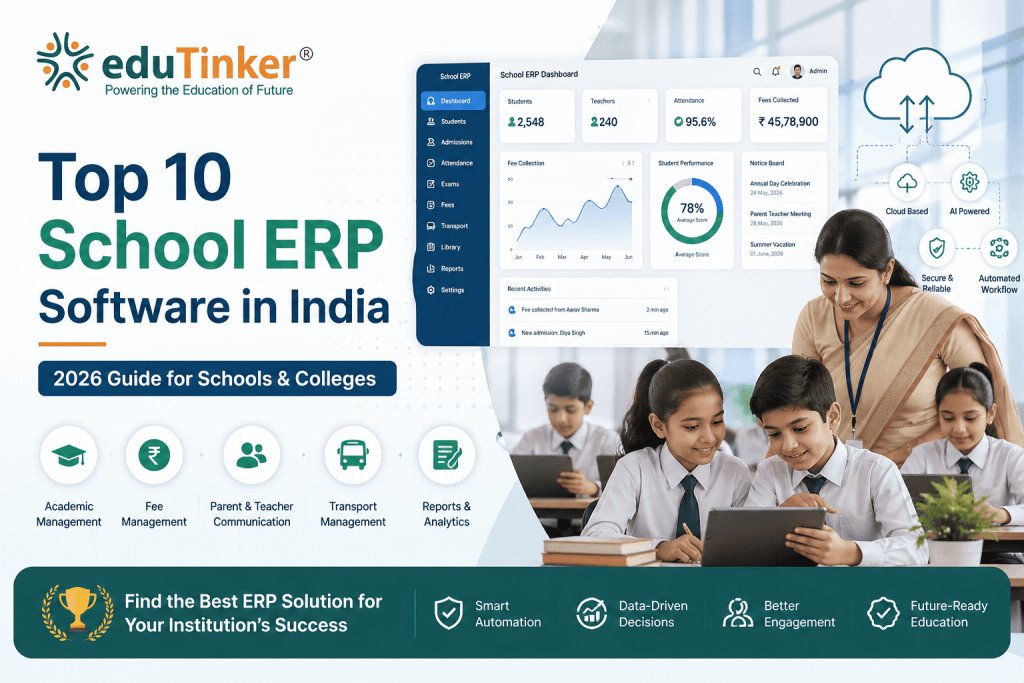
One of the biggest advantages of cloud-based ERP systems is real-time visibility. Instead of waiting for monthly reports or manual updates, college management can view live dashboards on:
- Fee collection
- Attendance
- Student performance
- Admissions status
- Inventory and resource usage
- Department-wise workloads
These dashboards help leaders quickly identify issues — such as declining attendance, delayed fee payments, or department bottlenecks — and take corrective action immediately. This agility is essential in ensuring smooth academic and administrative operations.
3. Automation Reduces Manual Work and Errors
Colleges manage a huge volume of paperwork: applications, attendance sheets, grade records, fee receipts, scheduling documents, faculty records, and more. Manual workflows are slow and prone to errors, which can seriously impact decision-making.
With a cloud-based ERP, many repetitive tasks are automated, including:
- Attendance tracking
- Timetable generation
- Fee reminders and receipts
- Record maintenance
- Report generation
- Communication alerts
When administrative work runs smoothly, staff gain more time for academic planning, student support, and strategic development. Management also benefits from accurate data that reflects real situations instead of error-filled spreadsheets.
4. Improved Collaboration Across Departments
Effective decision-making requires seamless communication among departments. However, in many colleges, departments operate independently with limited data sharing. This leads to delays, confusion, and inconsistent decisions.
A cloud-based ERP breaks these barriers by providing a shared platform where:
- Department heads can collaborate effortlessly
- Teachers can update data instantly
- Administrators can track tasks without chasing people
- Management can monitor every process in one place
With timely updates from all stakeholders, decisions are based on complete information — not assumptions or guesses.
5. Better Financial Planning and Budgeting
Financial management is one of the most critical aspects of running a college. Without clear visibility into expenses, revenue, allocations, and projections, strategic planning becomes difficult.
A cloud-based ERP enhances financial decision-making by offering:
- Real-time fee collection data
- Automated reconciliation
- Department-wise expense tracking
- Forecasting tools
- Clear views of outstanding payments
- Data-driven budgeting support
Leaders can easily analyze how resources are being used and whether adjustments are needed. This transparency helps avoid overspending, optimize budgets, and improve the college’s long-term financial health.
6. Enhanced Student Performance Monitoring
Student progress plays a major role in shaping academic decisions. A cloud ERP tracks student performance holistically across attendance, assessments, assignments, and classroom engagement.
Faculty and management can use these insights to:
- Identify struggling students early
- Provide targeted academic support
- Improve course planning
- Evaluate teaching effectiveness
- Predict student outcomes
This data-driven approach helps colleges improve results, enhance learning outcomes, and support students more effectively.
7. Anytime, Anywhere Accessibility
Unlike traditional software that works only on campus computers, cloud-based ERP systems offer complete flexibility. Authorized users — management, staff, teachers, students, and parents — can access the system from any device.
This remote accessibility supports:
- Multi-campus management
- Off-site administration
- Quick decision-making even while traveling
- Faster responses during emergencies
- Hybrid and online learning setups
When decision-makers can view essential information anytime, they can act without delay.
8. Strong Data Security and Compliance
Colleges store extremely sensitive data — academic records, personal information, financial details, and documents. Managing all of this manually or on outdated local systems poses serious risks.
Modern cloud ERPs offer enterprise-level security features such as:
- Role-based access control
- Encrypted data storage
- Regular backups
- Secure login & authentication
- Compliance with educational and data protection standards
Safe, reliable data means that leadership can make decisions confidently without worrying about accuracy, loss, or misuse.
9. Scalability That Grows with Your Institution
As colleges expand — with new departments, programs, or campuses — managing operations becomes more complicated. A cloud-based ERP system easily scales as the institution grows.
Whether student strength increases or new digital processes are introduced, the system can accommodate higher workloads without disruption. This scalability ensures that your decision-making remains smooth and consistent, even during rapid growth.
10. How eduTinker Supports Smarter College Decision-Making
eduTinker’s cloud-based ERP is designed specifically to help colleges modernize operations and improve decision-making. Our platform offers:
- Real-time dashboards
- Centralized academic and administrative data
- Automated workflows
- Analytics for student performance and finances
- Digital attendance and timetable management
- Communication tools for parents, teachers, and staff
- Secure cloud-based accessibility
By unifying the entire college ecosystem, eduTinker enables leadership teams to make faster, clearer, data-backed decisions that enhance institutional performance, student satisfaction, and operational efficiency.
Conclusion
A cloud-based ERP is not just a digital upgrade — it is a strategic tool that empowers colleges to operate smarter, faster, and more transparently. When management has access to accurate data, real-time insights, automation, and collaboration tools, decision-making becomes stronger and more impactful.
From academic planning and financial management to student success and administrative efficiency, a cloud ERP system supports every aspect of institutional growth. Colleges that adopt this technology position themselves for a future where data-driven decision-making is key to excellence.