
The Indian education system is changing rapidly. Classrooms are no longer the only place where technology is transforming education. Schools and colleges are becoming digitally managed institutions, where technology supports administration, communication, academic planning, student records, attendance, fees, assessments, and decision making.
This transformation is driven by the need for faster communication, better access to information, efficient administration, and stronger engagement between students, teachers, parents, and management. The National Education Policy 2020 has highlighted the importance of technology in teaching, assessment, planning, management, and administration. India is moving towards an education ecosystem where digital tools are an essential part of institutional management.
From Manual Records to Digital Management
For many years, schools and colleges depended on registers, paper files, spreadsheets, and separate systems. These methods can become difficult as student numbers and administrative responsibilities increase.
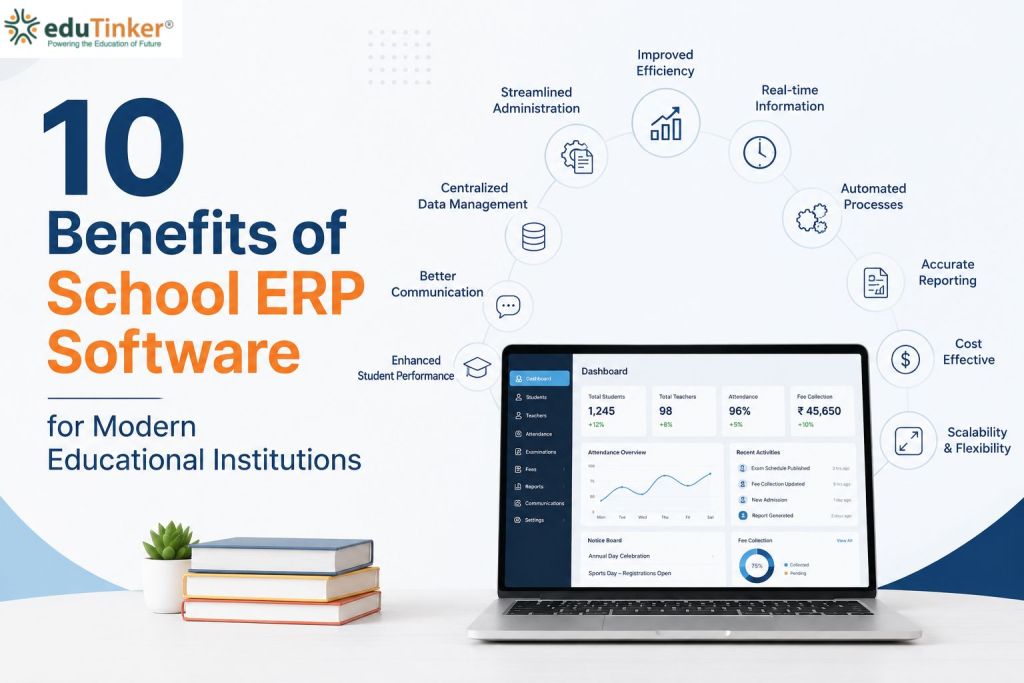
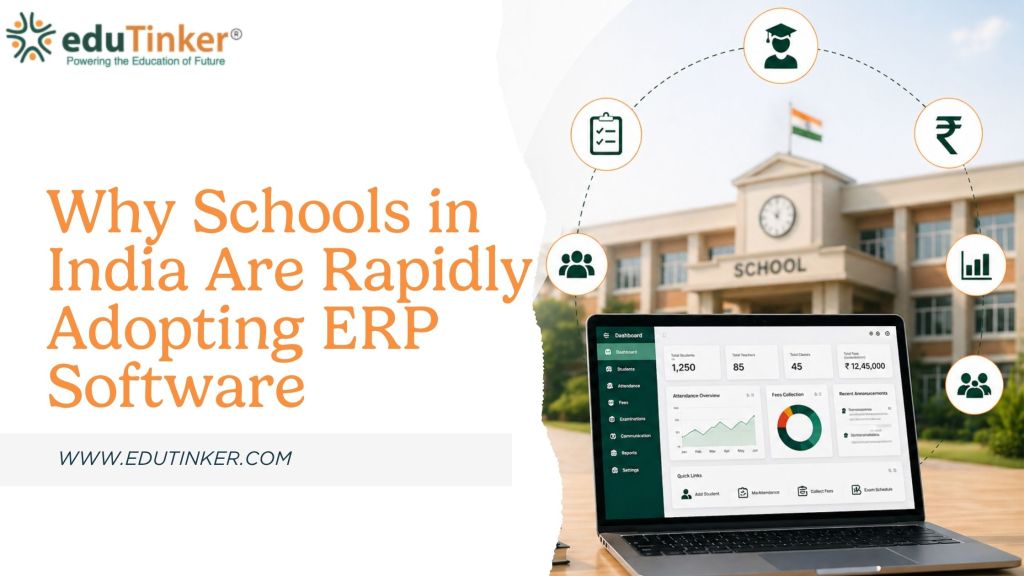
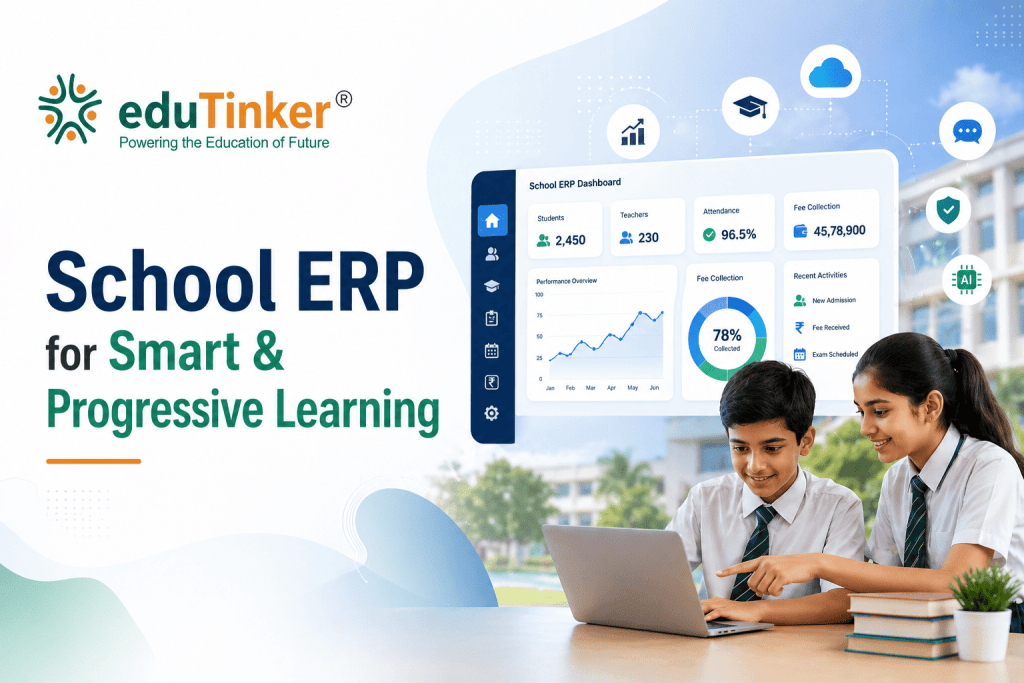
Digital management platforms are changing this process. A School ERP or College ERP can bring multiple functions together on one platform. Administrators can manage student information, attendance, fees, examinations, admissions, communication, and reports without depending on several disconnected tools.
This creates a more organised environment where information can be accessed quickly.
Better Communication Between Schools and Parents
Communication is one of the most important areas being improved through digital transformation. Parents expect timely updates about attendance, examinations, homework, events, fees, academic performance, and school activities.
Digital communication tools allow schools to share information directly with parents. Institutions can provide updates through digital platforms.
This improves transparency and keeps parents connected with their child’s education. Teachers can also communicate academic information more efficiently.
Smarter Student Performance Tracking
Digital management is changing how schools and colleges understand student performance. Digital platforms can provide a broader view of academic progress.
Institutions can track attendance, examination results, assignments, participation, and other academic information in one place. Teachers and administrators can use this information to identify students who may need additional support.
Better use of student data can support more personalised learning and improve academic planning.
Technology Is Supporting NEP 2020
The National Education Policy 2020 places strong emphasis on technology for improving access, quality, teaching, learning, assessment, and educational management. Government initiatives such as the National Digital Education Architecture and the National Education Technology Forum reflect the direction towards a connected digital education ecosystem.
For schools and colleges, digital transformation is not simply about introducing computers or online classes. It is about building systems that make the institution more connected, efficient, and responsive.
The Rise of Cloud Based Education Management
Cloud technology is another important part of this transformation. Cloud based education management allows authorised users to access information from different locations and devices.
For administrators, this makes management more flexible. Reports, student information, attendance records, and administrative details can be available when needed without depending on physical files.
Cloud based systems can also help institutions reduce paperwork and maintain organised digital records.
AI and Data Are Shaping the Next Stage
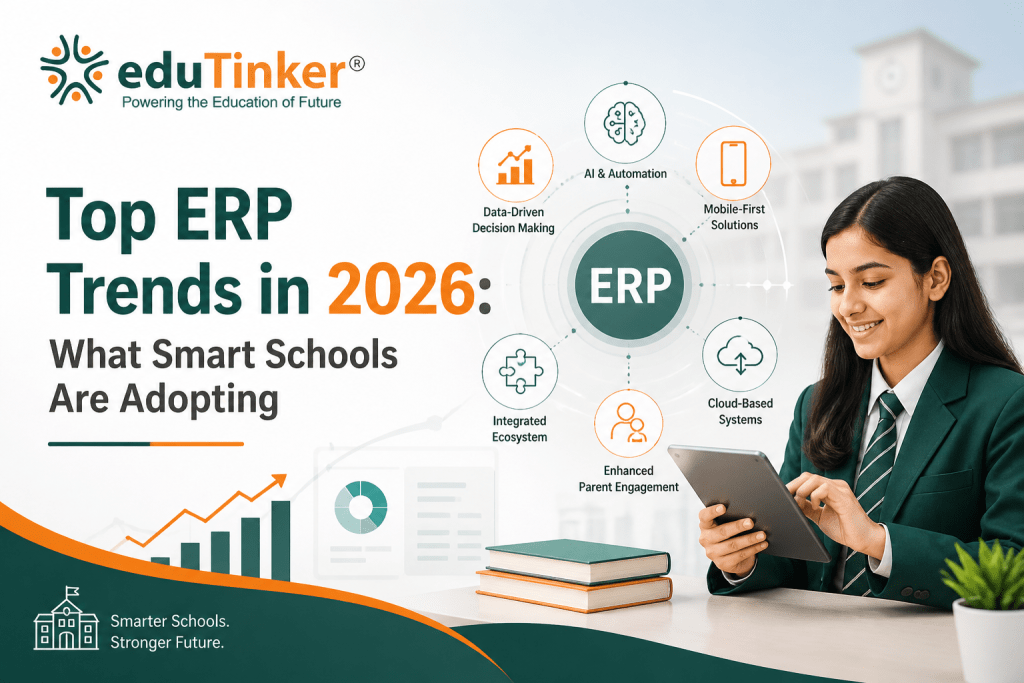
The next phase of digital education management will increasingly involve artificial intelligence and advanced analytics. AI can help institutions identify patterns in attendance, academic performance, communication, and student engagement.
Future education platforms can help management understand what information means. This can support earlier intervention, better planning, and more informed decisions.
Technology should support teachers and administrators rather than replace human interaction. Reducing repetitive work gives educators more time to focus on teaching, mentoring, and student development.
How EduTinker Can Support Digital Transformation
EduTinker helps schools and colleges bring academic and administrative processes together through a single digital platform. From attendance and student management to communication, learning resources, assessments, and reporting, an integrated education management system can reduce administrative complexity and improve coordination.
For institutions planning their digital transformation journey, adopting an education ERP can be an important step towards creating a smarter and more connected campus.
The Future of Indian Education Management
India’s education system is moving from traditional administration towards digital management. The transformation is not about replacing classrooms with technology. It is about using technology to make educational institutions more organised, transparent, efficient, and student focused.
As schools and colleges continue adopting ERP platforms, cloud technology, digital communication, analytics, and AI, technology will play an even greater role in education management.
Institutions that embrace this change will be better positioned to improve communication, understand student needs, and prepare learners for a digital future.
Digital education management is becoming an important part of how modern schools and colleges operate.