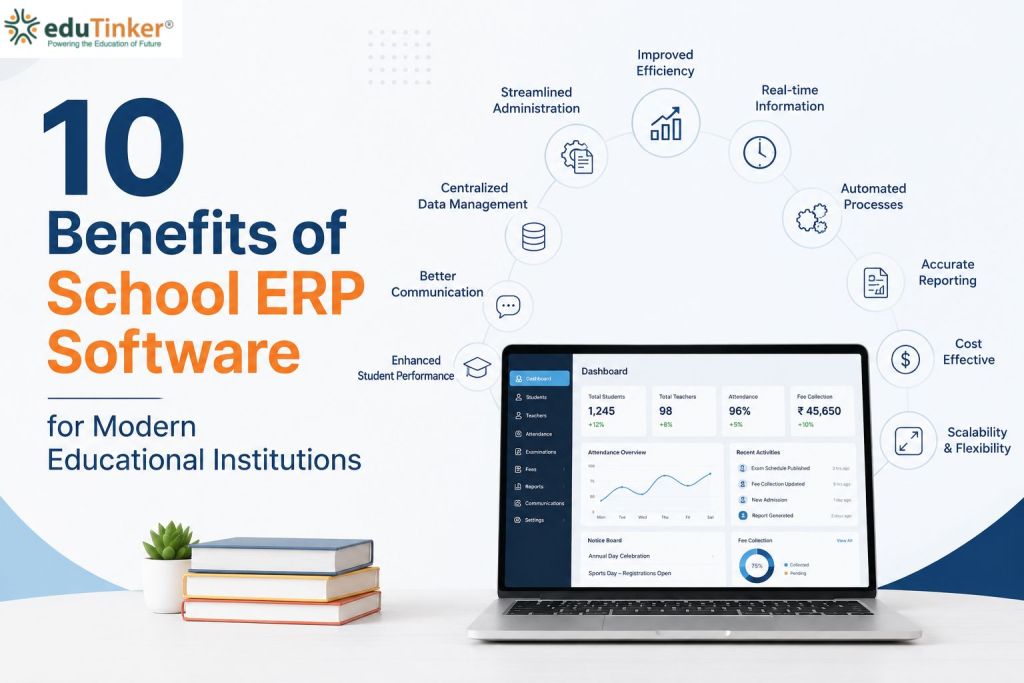

The education landscape in Africa is evolving rapidly. With growing student populations, expanding school networks, and increasing expectations from parents and governments, traditional administrative methods are no longer sufficient. Manual record-keeping, disconnected departments, and time-consuming processes create inefficiencies that hold schools back. This is where School Management Systems (SMS) emerge as a true game-changer for African schools.
A School Management System is a digital platform that integrates academic, administrative, and communication processes into a single, unified system. For schools across Africa—whether private institutions, public schools, or growing education groups—this technology is transforming how education is delivered and managed.
The Need for Digital Transformation in African Schools
Many African schools face challenges such as limited resources, staff shortages, infrastructure constraints, and the pressure to scale while maintaining quality education. Manual systems often lead to data loss, errors in reporting, delayed communication, and lack of transparency.
As digital access improves across the continent, schools are increasingly adopting technology to streamline operations and improve efficiency. School Management Systems provide a practical and scalable solution, enabling institutions to manage daily operations effectively while focusing more on teaching and learning outcomes.
Centralised Administration for Better Efficiency
One of the biggest advantages of a School Management System is centralised administration. Instead of maintaining multiple registers, spreadsheets, and paper files, all school data—student records, staff information, attendance, timetables, and academic history—is stored securely in one place.
This centralisation reduces administrative workload, minimises errors, and saves valuable time for school administrators. For African schools managing large student populations or multiple campuses, this level of organisation is essential for smooth operations.
Improved Student Information Management
Accurate student data is the backbone of any educational institution. A School Management System ensures that student profiles are complete, updated, and easily accessible. From admissions and enrollment to academic progress and discipline records, every detail is digitally recorded.
This helps schools track student performance more effectively, identify learning gaps, and provide timely support. Over time, this data also supports better decision-making and long-term academic planning.
Smarter Attendance and Academic Tracking
Manual attendance systems are prone to errors and manipulation. With a digital School Management System, attendance tracking becomes faster, more accurate, and transparent. Teachers can mark attendance in real time, and administrators can generate reports instantly.
Academic tracking is equally simplified. Schools can record grades, assessments, exam results, and report cards digitally. This allows educators to monitor academic trends, evaluate teaching effectiveness, and ensure students stay on track throughout the academic year.
Enhanced Communication with Parents and Students
Effective communication is a major challenge for many African schools, especially those operating in remote or semi-urban areas. School Management Systems bridge this gap by providing built-in communication tools such as SMS alerts, emails, mobile notifications, and parent portals.
Parents receive real-time updates about attendance, academic performance, fees, announcements, and school events. This transparency builds trust, improves parent engagement, and strengthens the school-parent relationship—an essential factor in student success.
Streamlined Fee Management and Financial Transparency
Fee collection and financial management are critical pain points for schools. Manual fee systems often result in delayed payments, poor tracking, and disputes. A School Management System automates fee collection, invoicing, payment reminders, and receipt generation.
For African schools, this ensures greater financial transparency and accountability. School administrators can monitor outstanding dues, generate financial reports, and plan budgets more effectively. Parents also benefit from clear payment records and multiple digital payment options.
Supporting Teachers and Academic Staff
Teachers are at the heart of any education system, yet administrative burdens often reduce their focus on teaching. School Management Systems help teachers manage lesson plans, attendance, assessments, and student reports digitally.
This reduces paperwork and allows teachers to dedicate more time to lesson delivery, student engagement, and personalised learning. Over time, this leads to better classroom outcomes and improved teacher satisfaction.
Data-Driven Decision Making
One of the most powerful benefits of a School Management System is access to real-time analytics and reports. School leaders can analyse attendance trends, academic performance, enrolment growth, fee collection, and staff productivity.
For African schools planning expansion or seeking funding and accreditation, data-driven insights are invaluable. These insights help institutions identify challenges early, measure progress, and make informed strategic decisions.
Scalability for Growing African Schools
Africa’s education sector is growing fast, with new schools opening and existing ones expanding across regions. School Management Systems are designed to scale with growth. Whether a school has 200 students or 20,000 across multiple campuses, the system adapts without compromising efficiency.
This scalability makes SMS solutions ideal for school groups, international schools, and education networks operating across different African countries.
Strengthening Compliance and Record-Keeping
Education authorities increasingly require accurate reporting and compliance with regulatory standards. A School Management System ensures proper documentation, secure data storage, and easy retrieval of records during audits or inspections.
This reduces compliance risks and enhances the institution’s credibility with regulators, parents, and stakeholders.
Why School Management Systems Are the Future of African Education
As Africa continues its digital transformation, schools that embrace technology gain a clear competitive advantage. A School Management System is no longer a luxury—it is a necessity for modern schools aiming to deliver quality education, operational excellence, and long-term sustainability.
Platforms like Edutinker empower African schools with smart, reliable, and user-friendly School Management Systems designed to meet local challenges while aligning with global education standards.
Conclusion
School Management Systems are truly a game-changer for African schools. By simplifying administration, improving communication, enhancing transparency, and enabling data-driven decisions, they create a stronger foundation for educational success.
For schools looking to modernise operations, improve learning outcomes, and prepare students for the future, adopting a robust School Management System is the smartest step forward. With the right digital partner, African schools can unlock efficiency, growth, and excellence in education.
FAQs
1. What is a School Management System (SMS)?
A School Management System (SMS) is a digital platform that helps schools manage academic, administrative, and communication processes in one place. It includes features like student records, attendance tracking, fee management, and parent communication.
2. Why are School Management Systems important for African schools?
School Management Systems help African schools overcome challenges like manual record-keeping, staff shortages, and inefficient processes. They improve efficiency, transparency, and overall school operations while supporting better learning outcomes.
3. How does a School Management System improve school administration?
An SMS centralises all school data, reducing paperwork and manual tasks. It automates processes such as attendance, fee collection, and reporting, saving time and minimising errors for administrators.
4. Can School Management Systems work in rural or low-internet areas in Africa
Yes, many modern School Management Systems are mobile-friendly and designed to work in low-bandwidth environments. They often include SMS-based communication, making them accessible even in remote areas.
5. How do School Management Systems help teachers?
School Management Systems reduce administrative workload for teachers by automating attendance, grading, and report generation. This allows teachers to focus more on teaching and student engagement.
6. How does an SMS improve communication between schools and parents?
An SMS provides real-time updates through SMS alerts, mobile apps, and emails. Parents can track attendance, academic performance, fee status, and school announcements, improving engagement and transparency.
7. Is a School Management System suitable for growing schools in Africa?
Yes, School Management Systems are highly scalable. They can support small schools as well as large institutions with multiple campuses, making them ideal for growing education networks across Africa.