
The way colleges and universities operate has changed forever. From admissions and attendance to exams and finance, every process in higher education is becoming digital, data-driven, and student-centric. Yet, many institutions still rely on multiple disconnected systems that create more confusion than clarity.
This fragmented approach slows down decision-making, burdens administrators, frustrates students, and limits growth. That’s where a unified College ERP (Enterprise Resource Planning) system steps in – transforming the way institutions manage their academic and administrative operations.
Today, adopting a unified ERP is no longer a luxury – it’s a strategic necessity for institutions that want to stay competitive, efficient, and future-ready. Let’s explore why this transformation matters now more than ever.
The changing education environment
Modern institutions contend with:
- A surge of student expectations for seamless digital experiences, self-service portals, mobile access and real-time data.
- Expanding regulatory compliance, reporting requirements and data-security concerns.
- Multi-campus operations, diverse academic programmes and complex resource-allocation challenges.
- The ongoing push to reduce costs, maximise productivity and deliver better educational outcomes.
In short, the traditional patchwork of systems is no longer sufficient.
What is a college ERP?
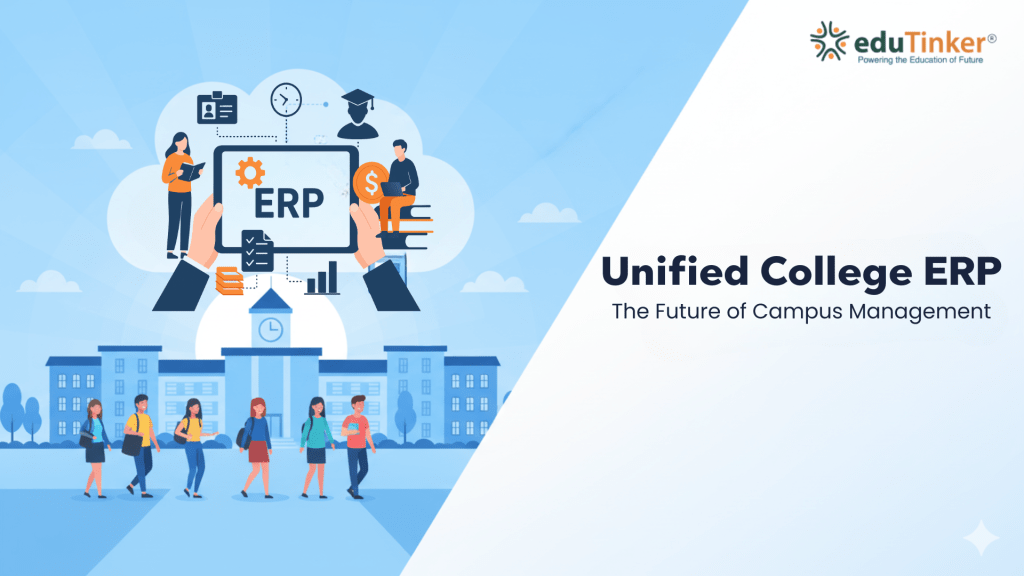
A college ERP is a unified software platform that integrates across academic administration, admissions, student information, finance/fee management, HR/payroll, scheduling, analytics and more. Instead of disparate systems for each function, the institution has a single source of truth, enabling better coordination, faster workflows and meaningful insights.
Key reasons why unified ERP is now non-optional
1. Efficiency and administrative automation
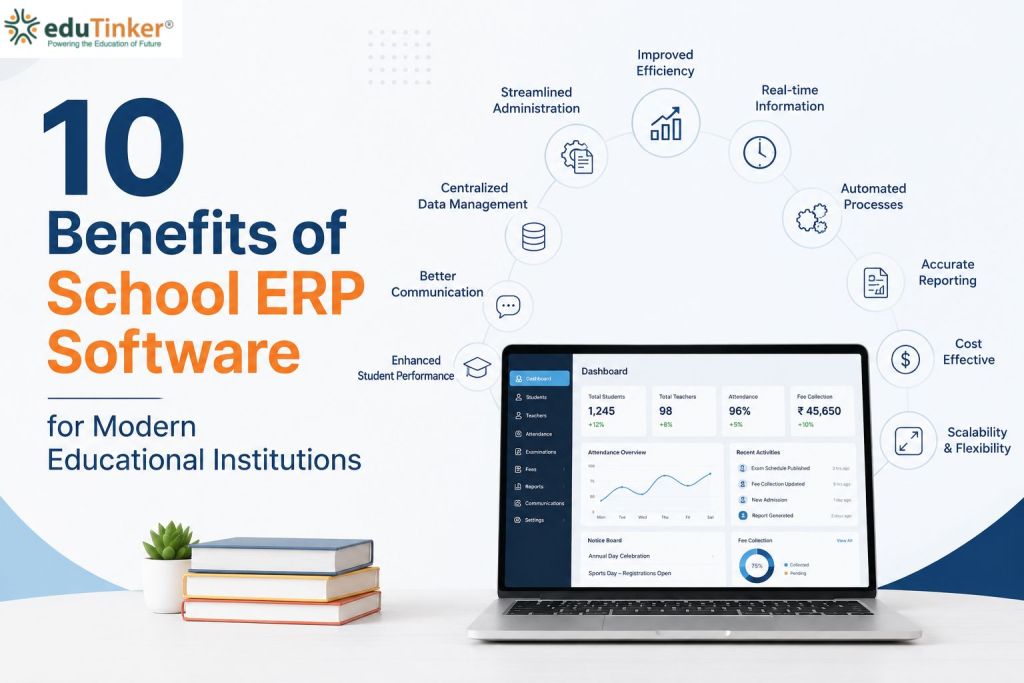
Institutions that continue relying heavily on manual processes, spreadsheets, and disconnected systems are at a disadvantage. A modern ERP automates core functions such as admissions workflows, fee collection, scheduling, attendance tracking and results publication. By doing so it reduces administrative overhead, lowers errors, frees staff to focus on strategic tasks rather than transactional ones.
2. Data-driven decision-making
When all your operational, academic and financial data live in silos, leadership lacks a holistic view. A unified ERP gives real-time dashboards, analytics and reports — enabling decision-makers to monitor student progress, track resource utilisation, optimise classrooms, identify at-risk students and align budgets with institutional goals.
3. Enhanced student and stakeholder experience
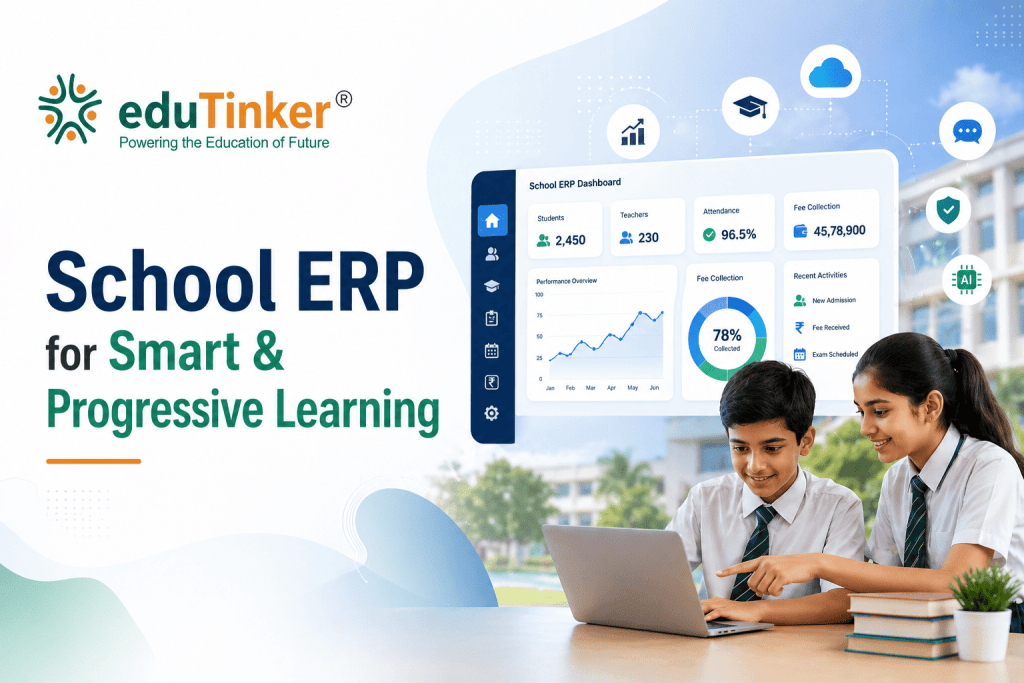
Today’s students, faculty, and parents expect seamless, integrated access — on mobile devices, from anywhere. With a unified ERP, students access their schedules, assignments, fees, results via one portal; faculty manage courses, grades, communication from one platform; administrators benefit from cross-department visibility.
This improves engagement, satisfaction, retention and ultimately institutional reputation.
4. Resource optimisation and cost control
Colleges must do more with limited budgets. A unified ERP helps optimise classroom and lab utilisation, staff deployment, course scheduling and infrastructure usage. With visibility across the enterprise, institutions avoid duplication, under-utilised assets and hidden costs. Moreover, by eliminating manual and repetitive tasks, you reduce labour costs and waste.
5. Security, compliance and scalability
With more data, more regulation and more visibility, institutions must manage risk. ERP systems provide centralised data governance, audit trails, role-based access, encryption and integrations to ensure compliance with education standards and protect sensitive data. Also, modern ERPs (especially cloud-based) are scalable — enabling campuses to grow, add new programmes or campuses, without re-engineering the entire system.
6. Future readiness and digital transformation
“Digital” is no longer optional. The pandemic accelerated hybrid learning, remote access and digital engagement. Institutions that lack a unified ERP platform risk falling behind. As studies show, ERP systems are a core component of the digital transformation of higher education, enabling institutions to adapt, evolve and innovate.
Challenges and how to overcome them
Although the benefits are strong, implementing or migrating to a unified ERP is not without hurdles. Research indicates some common challenges:
- Resistance to change from staff used to legacy systems.
- Technical complexities and integration with existing systems.
- Data-security and privacy concerns.
- Upfront implementation cost (though ROI is achieved over time).
Key tips for success:
- Define clear goals: Identify the key pain-points (e.g., admissions bottlenecks, fee delays, reporting gaps) and align the ERP to solve these.
- Choose the right vendor: Ensure the ERP is tailored for higher education, supports modular rollout, cloud-or-on-premises as needed, and offers strong support/training.
- Engage stakeholders: Include administrators, faculty, IT, students in the process – Their buy-in is critical.
- Prioritise data migration and governance: Clean existing data, define roles/access, maintain compliance.
- Phase rollout: Start with high-impact modules (e.g., student information + finance) then expand to HR, analytics, mobile access.
- Monitor metrics & ROI: Track improvements in admission conversion, fee collection time, resource usage, staff productivity to validate value.
Why for institutions in India (and globally) the urgency is even greater
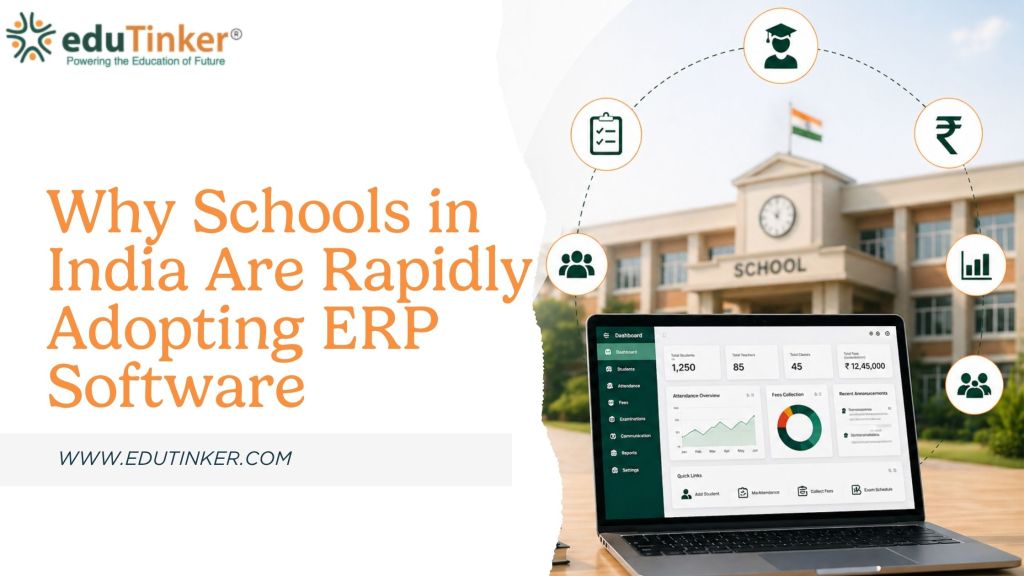
In regions such as India, higher-education institutions are under pressure from government mandates, increasing student numbers, multi-campus operations, hybrid learning demands and digital expectations from students/parents. A unified ERP empowers institutions to stay competitive, compliant and efficient. Because institutions that fail to adopt modern platforms risk operational bottlenecks, student dissatisfaction and reputational damage.
How eduTinker can support your institution
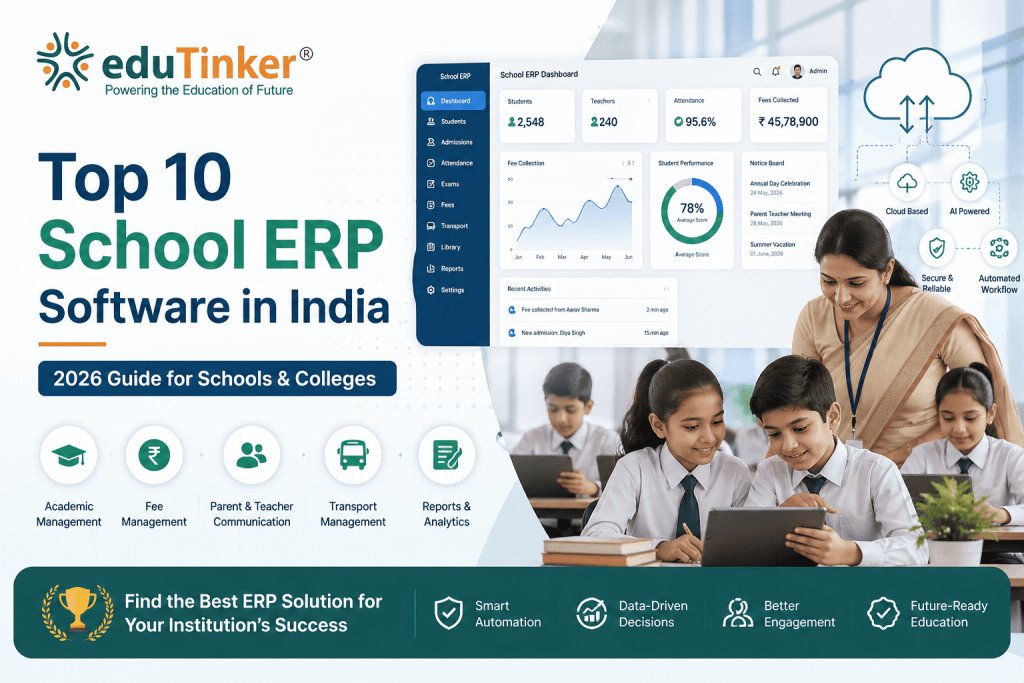
At eduTinker, we understand that institutions require an integrated, future-ready platform. Our solution offers modules such as admissions management, fee/finance management, academic scheduling, attendance, exam & results management, analytics, and stakeholder communication — all within a unified platform. With real-time data, mobile access and automated workflows, institutions can transform their operations, engage students better, reduce cost, and focus on what truly matters: delivering high-quality education.
Conclusion
A unified College ERP is no longer a luxury — it’s the backbone of modern, efficient, and student-focused institutions. By connecting every department and process under one system, colleges can work smarter, make data-driven decisions, and create a seamless experience for students and staff alike.
The shift toward digital campus management is already happening — and those who adapt early will lead the way in quality, performance, and innovation.
If your institution is ready to simplify operations and embrace the future of education, explore how eduTinker’s unified ERP can help you make that transition with ease.
Book a demo today to see the difference.