

The Paper Problem in Indian Schools
Walk into almost any Indian private school today and you will find the same scene: stacks of printed worksheets, assignment notebooks, circular books going back and forth in school bags, and notice boards covered with paper announcements that most parents never read. This is the reality of school operations in 2026, even as India becomes one of the world’s most digitally connected nations.
The cost of this paper dependency is higher than most school owners realise. It includes the obvious expenses of printing and stationery. However, it also includes the hidden costs of lost information, slow communication, and hours of teacher time spent creating and distributing physical content.
Moreover, the environmental impact is real. Schools that commit to going paperless gain a genuine and meaningful story to tell parents who care about sustainability, and that is an increasingly large group in urban and semi-urban India.
What Paperless Actually Means for an Indian School
Let us be clear about what we mean by a paperless school, because this term is often misunderstood. Going paperless does not mean eliminating writing. Students still need to develop handwriting, work through problems in notebooks, and engage in hands-on learning. Rather, a paperless school means digitising administrative communication, curriculum content distribution, assessment delivery, and parent-school interaction.
In practical terms, this means teachers share homework and study materials through an app. Parents receive circulars and fee reminders on their phones. Assessment marks are entered digitally and visible to parents in real time. Attendance is taken on a tablet and not a register. These changes are achievable for any Indian school, regardless of size.
The Role of an LMS in Going Paperless
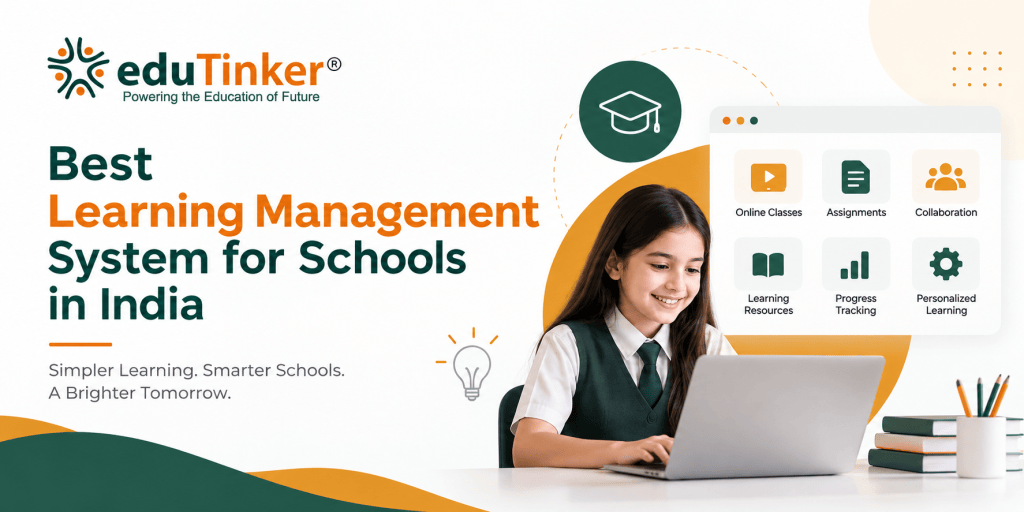
A Learning Management System (LMS) is the backbone of a paperless classroom. For Indian schools, the ideal LMS must align with NCERT and CBSE or ICSE curriculum frameworks. It must be accessible on affordable Android devices, since not all students have access to high-end hardware. Furthermore, it must be usable by teachers who are not technology experts.
The best LMS platforms for Indian schools in 2026 offer a library of pre-mapped digital content, interactive quizzes, video lessons, and assignment submission tools. Consequently, teachers spend less time creating content from scratch and more time facilitating learning.
Additionally, a well-implemented LMS generates data about student performance that paper-based systems simply cannot provide. Which students are struggling with fractions? Which chapters generate the most questions? This kind of granular insight helps teachers intervene early and differentiate instruction effectively.
A Practical Four-Stage Implementation Plan
Moving to a paperless model does not happen overnight. However, with the right plan, most Indian schools can achieve meaningful paperless operations within one academic year.
In the first stage, focus on communication. Replace paper circulars with digital notifications. Move parent-teacher communication to an app. This stage is low cost and high impact. It builds buy-in among parents and teachers because the benefits are immediately visible.
In the second stage, digitise assessments. Start with one class and one subject. Use digital quizzes and assignment submission. Track the results. Then, expand gradually based on what works in your school’s specific context.
In the third stage, introduce digital content delivery. Equip teachers with digital study material libraries aligned to your board’s syllabus. Train them to supplement lessons with videos and interactive content rather than replacing their teaching.
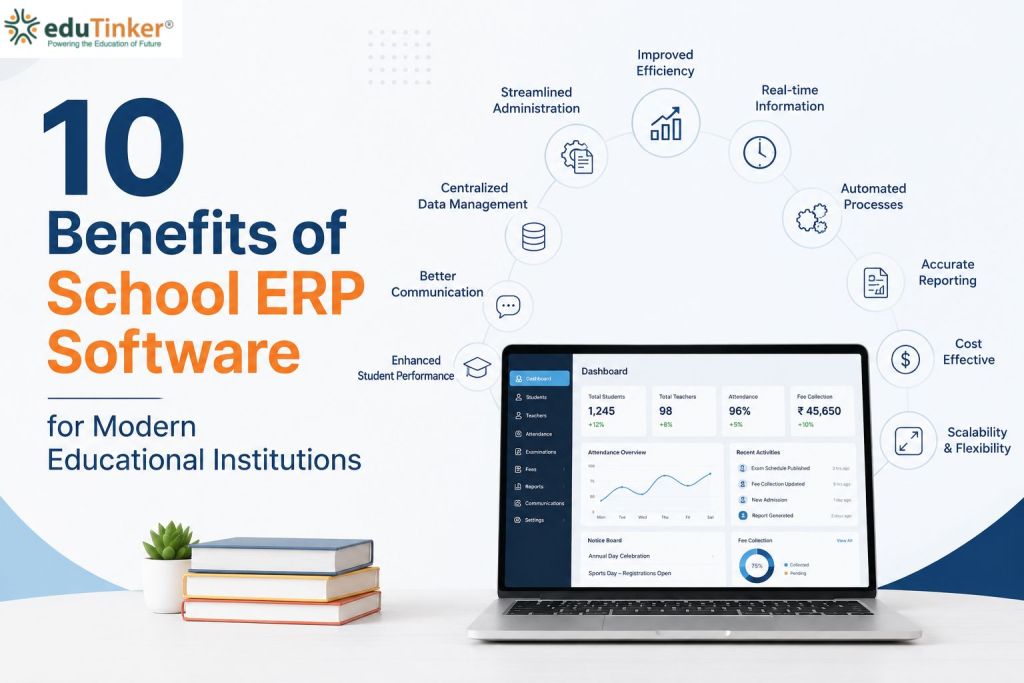
In the fourth stage, integrate everything into a unified school management platform. When your LMS, fee management, attendance, and parent communication all live in one ecosystem, the administrative efficiency gains are transformative.
Addressing Parent and Teacher Resistance
Every school that attempts this transformation encounters resistance. Some teachers feel threatened by technology. Some parents worry about screen time. These concerns are legitimate and deserve a thoughtful response.
For teachers, the key is showing them that technology reduces their workload rather than adding to it. For parents, share data on how digital content improves learning outcomes. Moreover, make clear that physical writing and books are not being eliminated only paper-based administration and communication.
Building a small group of enthusiastic teacher champions in the early stages creates organic advocacy within your staff community. This peer influence is far more powerful than top-down directives from management.
Paperless Is Not a Trend, It Is the New Standard
Indian schools that have already made this transition report significant benefits: lower administrative costs, better parent satisfaction scores, improved teacher productivity, and stronger academic outcome tracking. These results are consistent across school types, from small single-branch schools to multi-campus groups.
The question for Indian school principals and trustees in 2026 is not whether to go paperless. It is how quickly and thoughtfully you can make the transition. The technology exists. The parent readiness is there. The only remaining ingredient is leadership commitment.